Purposely Peaceful Core Values

A guide to living with purpose, peace, and authenticity. 

Here are but a few examples. What are your top 3?

1. Inner Peace First – Prioritizing mental, emotional, and spiritual calm in all aspects of life. 

2. Authenticity – Embracing your true self without fear of judgment. 

3. Empowerment – Providing tools, guidance, and support to help individuals reclaim personal power. 

4. Compassion – Leading with kindness for yourself and others, even in challenging moments. 

5. Growth & Transformation – Committing to continuous self-improvement and deep inner work. 

6. Connection – Fostering meaningful relationships with family, community, and self. 

7. Courage – Facing fear, discomfort, and change with resilience. 

8. Mind-Body-Spirit Alignment – Honoring the connection between physical, emotional, and spiritual health. 

9. Mindful Living – Practicing presence, intention, and gratitude in daily life. 

10. Integrity – Acting in alignment with your values, purpose, and highest self. 

11. Joy & Celebration – Embracing life’s moments with gratitude and playfulness. 

12. Healing – Prioritizing emotional, mental, and energetic restoration for oneself and others. 

13. Respect – Honoring the dignity, perspectives, and boundaries of yourself and others. 

14. Honesty – Committing to truthfulness in thought, word, and action. 

15. Responsibility – Taking ownership of your actions, choices, and their consequences. 

16. Fairness – Treating everyone with equity and justice. 

17. Gratitude – Cultivating appreciation for life, experiences, and people. 

18. Patience – Practicing tolerance and understanding in challenging situations. 

19. Generosity – Sharing time, energy, and resources with openness and care. 

20. Resilience – Bouncing back from setbacks with strength and adaptability. 

21. Curiosity – Staying open to learning, exploring, and understanding. 

22. Love & Kindness – Leading with warmth, empathy, and compassion in all interactions. 

23. Adventure – Seeking new experiences, exploration, and stepping outside comfort zones. 

24. Creativity – Expressing ideas, imagination, and innovation in life and work. 

25. Freedom – Honoring autonomy, choice, and self-expression. 

26. Playfulness – Allowing joy, fun, and light-heartedness into daily life. 

27. Openness – Remaining receptive to new perspectives, ideas, and growth opportunities. 

28. Balance – Cultivating harmony between work, rest, play, and relationships. 

29. Inspiration – Motivating oneself and others to pursue purpose and passion. 

30. Wonder – Embracing awe, curiosity, and appreciation for life’s mysteries.
What to Do About Depression: Steps to Reclaim Your Inner Peace

Feeling depressed or stuck can be heavy and confusing, but it doesn’t have to stay that way. If you recognize yourself in the stages of depression, there are actionable steps you can take to start moving toward hope, healing, and inner peace.

Here are some ideas to help you get out of that funk and back to living the life you want. 

Of course, we won’t be there overnight, but trust that if you put one foot in front of the other, you’ll eventually get to where you want to be. 

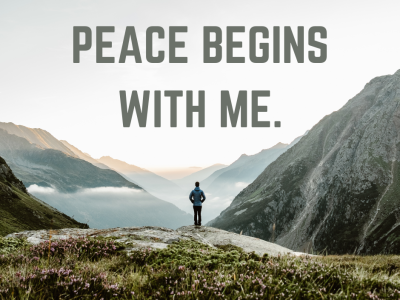
Peace begins with me. Hope. Inpsiration.

1. Own Where You’re Really At

Admitting the truth about your life is the first step. Maybe you dislike your job, your working conditions, or even a relationship you’re in. Perhaps you need to take responsibility for the choices you’ve made. This part can feel brutal, but seeing what’s keeping you low is essential to making change.

2. Process Your Emotions

Avoiding feelings only makes the cloud above you heavier. Start paying attention to what’s happening inside. Episodes like Feel to Heal can guide you through what it looks like to process emotions effectively. Give yourself permission to feel anger, sadness, or frustration without judgment—these are signals pointing you toward change.

3. Seek Guidance and Support

You don’t have to do this alone. Therapy, hypnosis, or other personalized support can help you see your patterns, break habits, and identify what’s keeping you stuck. Even one meaningful session or conversation can be the spark that reignites your inner motivation.

4. Replace Negative Beliefs with Positive Dialogue

When I was depressed in my early 20s, I played The Secret on repeat to replace the negative voice in my head with hopeful dialogue. Today, we have endless ways to do this—through podcasts, audiobooks, and supportive communities. Surround yourself with messages that uplift and inspire you.

5. Take Inspired Action

Small steps matter. Create vision boards, spend time with supportive people, set boundaries, and show up consistently for yourself. Avoidance and bad habits only prolong the funk. Taking deliberate action—no matter how small—helps reclaim your energy and personal power.

6. Focus on Inner Peace

Your mental, emotional, and physical well-being is your most valuable asset. True contentment doesn’t come from houses, degrees, or possessions—it comes from cultivating inner peace. Make your peace a priority, and use it as the foundation for the life you want to live.

7. Remember Your Worth

You are inherently worthy simply because you exist. You don’t need to prove anything to anyone. Investing in yourself and prioritizing your well-being is never selfish—it’s necessary. The positive ripple effect of your healing impacts everyone around you.


Crisis Resources

If you feel overwhelmed, hopeless, or unsafe, you are not alone. Help is available:

  • 988 – Suicide & Crisis Lifeline (U.S.): Call or text 988 for immediate support, available 24/7.

  • If outside the U.S., search for your local mental health helpline for immediate assistance.


Depression is real, but it’s not forever. By taking ownership, processing emotions, seeking support, and prioritizing your inner peace, you can move from heavy and stuck to hopeful, empowered, and alive again.

The Epidemic of Depression: Understanding the 7 Stages

Have you ever unexpectedly found yourself feeling unhappy, frustrated, or lacking motivation? You’re not alone. Depression isn’t exclusive to any particular type of person—it can creep up on anyone, whether you’re rich or poor, successful or “living an easy life.” I call this the epidemic of depression, and it’s something I’ve experienced myself, seen in loved ones, and witnessed throughout my career as a therapist.

Depression can feel like a heavy, dark cloud that blurs the light of hope and makes life feel exhausting. It seeps into every area of life if left unprocessed, leaving you drained, unmotivated, and unsure of how to move forward.

Here’s why depression shows up, and the 7 stages I’ve seen in my life and with clients:

7 stages of depression and hope

Stage 1: Ignoring Your Truth

Depression often begins when we stop moving in the direction of our highest potential. We ignore what truly matters to us and chase goals or expectations that don’t align with our inner truth. For me, it was believing that achieving certain milestones—like degrees or career success—would automatically bring happiness. Instead, suppression of what I really wanted only created more heaviness.

Stage 2: Missing the Early Warning Signs

Before the cloud grows heavy, there are clues. Increased sugar cravings, avoidance, restlessness, irritability, or other coping behaviors are early signals that something isn’t right. Recognizing these signs early can make a huge difference.

Stage 3: Feeling the Weight of Life’s Responsibilities

Life’s pressures can feel like concrete boulders on your shoulders. Work, relationships, and obligations drain your mental and physical energy, making it harder to see a way out.

Stage 4: Your Ego Works Against You

Negative thoughts and assumptions start to dominate your mind. The ego sets up patterns that drain emotional energy, leaving you depleted and less able to cope.

Stage 5: Shutting Down Hope

As hopelessness sets in, big dreams and belief in infinite possibility begin to fade. Motivation wanes, and even the drive to do daily tasks feels like a struggle.

Stage 6: Feeling Heavy and Confused

By now, depression feels thick, confusing, and overwhelming. You may not know where to start or how to feel better. This is often the stage people describe as “the worst of it.” It’s okay to get help. Click here to read more about what you can do and find some resources.

Stage 7: The Spark of Good Anger

Eventually, most people reach a point where they can’t stay down and out forever. Good anger arises—a burst of energy that allows you to reclaim your personal power, set boundaries, and take action to shift your life. You realize, “It ends today.”

Depression isn’t permanent. You can be content, peaceful, and joyful again—but it requires awareness, inner work, and support. Recognizing where you are in these stages is the first step.

The key is to start reclaiming your inner peace: pay attention to your truth, process your emotions, seek guidance if needed, and take small consistent steps toward the life you know you deserve. Even if you’re in the early stages, it’s never too late to pull yourself out.

Remember: your mental, emotional, and physical well-being is your most valuable asset. You don’t have to follow society’s rules of success. You can pave your own way, live intentionally, and create a life that begins with inner peace.

Read this post to get a new perspective and practical ways to rise above it, plus resources for support. Click Here

This post is for informational purposes only. This is only my perspective & I hope it helps!